
How Pollen Damages Clear Coat in March and Why Quick Washing is Essential

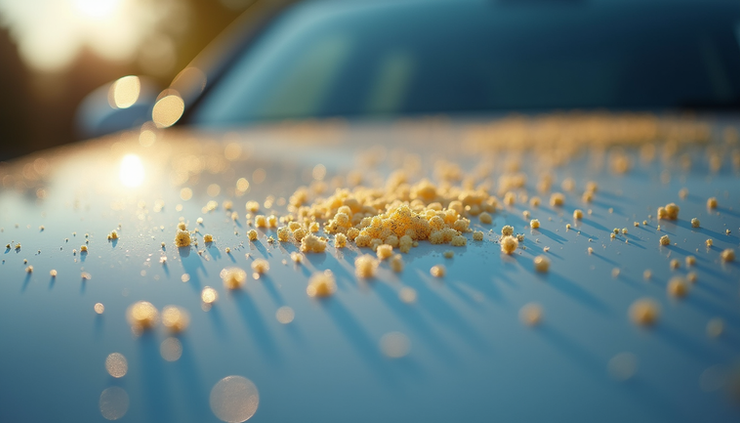
Every spring, as temperatures rise and flowers bloom, pollen fills the air in large quantities. While this natural phenomenon signals the arrival of warmer days, it also poses a hidden threat to your vehicle’s finish. March is a critical month when pollen levels spike, and many car owners notice a yellowish dust settling on their vehicles. This pollen can cause serious damage to the clear coat, the protective layer that keeps your car’s paint looking fresh and vibrant.
Understanding how pollen harms the clear coat and why washing your car quickly after exposure is crucial can save you from costly repairs and maintain your vehicle’s appearance. This post explains the science behind pollen damage and offers practical advice on how to protect your car during the pollen season.
What Is Clear Coat and Why It Matters
The clear coat is a transparent layer of paint applied over the colored base coat on your car. It serves several important functions:
Protects the paint from UV rays, oxidation, and environmental contaminants.
Enhances gloss and depth of the paint color.
Provides a smooth surface that resists minor scratches and chemical damage.
When the clear coat is intact and well-maintained, it keeps your car looking shiny and new. However, this layer is vulnerable to damage from various sources, including pollen.
How Pollen Damages the Clear Coat
Pollen grains are tiny particles released by plants for reproduction. In March, many trees and plants release large amounts of pollen, which can settle on cars parked outdoors. Here’s how pollen harms the clear coat:
1. Pollen Is Acidic and Abrasive
Pollen contains natural acids and enzymes that can chemically react with the clear coat. When pollen sits on the surface for extended periods, these acids start to break down the protective layer. This chemical reaction can cause the clear coat to become dull and weakened.
Additionally, pollen grains have a rough texture. When you wipe or brush pollen off without washing, the abrasive particles can scratch the clear coat, creating micro-scratches that dull the finish.
2. Pollen Traps Moisture and Dirt
Pollen acts like a sponge, trapping moisture and dirt on the car’s surface. This combination creates a sticky layer that can accelerate the breakdown of the clear coat. Moisture trapped under pollen can also promote the growth of mold or mildew, which further damages the paint.
3. Sunlight Accelerates Damage
When pollen-covered cars are exposed to sunlight, the heat speeds up the chemical reactions between pollen acids and the clear coat. This can lead to permanent staining or etching of the paint surface, which is difficult to remove.
Why March Is a Critical Time for Pollen Damage
March marks the start of spring in many regions, and several factors make it a high-risk month for pollen damage:
High pollen release: Trees like oak, birch, and pine release large amounts of pollen in March.
Frequent temperature swings: Warm days followed by cool nights create condensation, which mixes with pollen and worsens its effects.
Increased outdoor activity: Cars are often parked outside more frequently, increasing exposure to pollen.
Because of these conditions, March is the month when pollen damage to clear coats is most likely to occur.
The Importance of Quick Washing After Pollen Exposure
Washing your car quickly after pollen settles is the best way to prevent damage. Here’s why:
Removes Pollen Before It Causes Harm
Pollen starts damaging the clear coat as soon as it settles. Washing your car within a day or two removes pollen before acids and enzymes can react with the paint.
Prevents Abrasive Scratches
Using water and a gentle car shampoo to rinse off pollen prevents you from rubbing abrasive particles into the clear coat. Avoid dry wiping, which can cause scratches.
Stops Moisture and Dirt Build-Up
Washing removes the sticky pollen layer that traps moisture and dirt, reducing the risk of mold growth and further damage.
Maintains Paint Gloss and Value
Regular washing during pollen season keeps the clear coat smooth and shiny, preserving your car’s appearance and resale value.
Best Practices for Washing Your Car During Pollen Season
To protect your clear coat effectively, follow these tips when washing your car in March:
Use a pH-balanced car shampoo designed for automotive paint.
Rinse the car thoroughly with water before applying soap to remove loose pollen.
Wash with a microfiber mitt or soft sponge to avoid scratching.
Rinse off all soap and pollen residue completely.
Dry the car with a clean microfiber towel to prevent water spots.
Consider applying a wax or sealant after washing to add an extra protective layer.
Additional Tips to Minimize Pollen Damage
Besides washing, you can take other steps to reduce pollen’s impact on your car:
Park in a garage or covered area whenever possible.
Use a car cover if parking outside for extended periods.
Avoid parking under trees that shed large amounts of pollen.
Check and clean your windshield wipers regularly to prevent pollen buildup.
What to Do If Pollen Has Already Damaged Your Clear Coat
If you notice dull spots, stains, or scratches caused by pollen, here are some options:
Use a clay bar treatment to remove embedded pollen particles.
Apply a polish to restore gloss and smooth out minor scratches.
Consult a professional detailer for deeper damage or clear coat restoration.
Consider repainting if the damage is severe and widespread.
Final Thoughts on Protecting Your Car from Pollen Damage
March is a crucial month for car owners to pay attention to pollen and its effects on the clear coat. Pollen’s acidic nature, abrasive texture, and ability to trap moisture make it a serious threat to your vehicle’s finish. Washing your car quickly after pollen exposure removes harmful particles and prevents long-term damage.


Comments